
Energy Performance Certificate (EPC)
Residential EPCs will start FROM £33
Selling, renting, or simply curious about your home's energy efficiency?
We offer legally required EPCs, which include:
Detailed Property Inspection.
Accurate Measurements
Full report and certificate issuance
What is an EPC?
How an Energy Performance Certificate is Conducted
When renting or buying a property, either commercial or domestic, you should receive an Energy Performance Certificate (EPC). This certificate is the result of an assessment by a professional, indicating the energy efficiency of the property. It's essential for landlords, renters, buyers and sellers to provide an EPC whenever the property changes hands.

The Domestic EPC Assessment Process
During a domestic EPC assessment, the assessor evaluates various factors that influence the property's energy efficiency, resulting in an ‘energy rating.’ To conduct a thorough assessment, the assessor will need access to all areas of the property.
Some of the factors assessed during the EPC evaluation include:
Property Size:
The overall dimensions and layout of the property.
Insulation:
The type and extent of insulation present.
Construction Type:
The materials and methods used in the property's construction.
Lighting:
The types of lighting fixtures and their efficiency.
Heating Systems:
The heating systems installed and their control mechanisms.
Ventilation:
The effectiveness of the property's ventilation system.

Based on this information, the energy efficiency of the property is rated from A to G, with ‘A’ representing the highest efficiency and ‘G’ the lowest.

Lighting
The assessor will examine the number of fixed light fittings in the property and assess the types of lightbulbs used, including low-energy options such as CFLs, LEDs and standard fluorescent tubes.

Loft
The inspector will examine the loft space, which may not require entry but should be accessible to assess the level and placement of insulation. Currently, the recommended insulation depth is 270mm at the joists. Additionally, the assessor will investigate the type of wall separating your property from neighbouring ones.

Windows
The assessor will evaluate the property's windows to determine whether they are single, double or triple glazed, as this significantly affects energy efficiency. They will also check the installation date of the glazing. If available, providing BFRC data or a FENSA certificate can serve as helpful evidence.
Heating
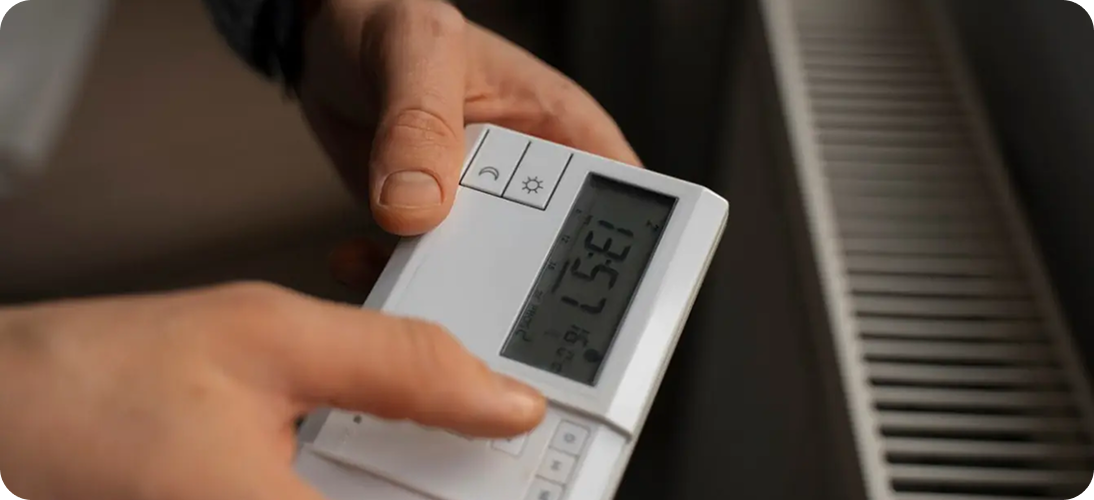
The inspector will examine the property's heating system, so having your boiler documentation ready can be beneficial. They will review various aspects, including heat controls, boiler timing, thermostats, thermostatic radiator valves and any additional heating sources, such as coal or gas coal-effect fires and log burners.
Photos and Measurements
The EPC assessor will take several photographs and measurements of both the interior and exterior of the property. These images are essential for quality assurance, as assessors undergo regular audits to ensure high standards in EPC assessments. They will also measure the property dimensions and create a sketch of the layout, incorporating these measurements.
Additionally, the assessor may ask you questions regarding the construction of the property, including its age, any modifications made, the presence of cavity wall insulation, heat recovery technology and whether you have a single or double electricity meter.

After the Assessment
Once the assessment is complete, you will receive your Energy Performance Certificate (EPC), which consists of four key sections:
Property Information
This includes details about the property, the assessment date, a reference number and average energy costs for similar property types.
Energy Rating
You'll find the A-G energy efficiency rating and the Environmental Impact CO2 rating, which indicate the property's energy performance.
Recommendations
The assessor will provide actionable suggestions for improving the building's energy efficiency, along with information on eligibility for assistance through the Green Deal.
Summary of Features
This section summarises the property's features and their corresponding energy ratings based on U-values.
Duration of the Assessment
The duration of the assessment will vary based on the property’s size and the assessor’s ability to access all areas. While the EPC process is thorough, it is generally non-disruptive if access to all parts of the property is relatively straightforward. Besides being a legal requirement for selling or renting, an EPC serves as a valuable tool for enhancing energy efficiency.
To enhance your understanding, we recommend including images that reflect the specific areas assessed, such as the boiler and heating systems.


Commercial EPC
Energy Performance Certificates (EPCs) are vital for non-domestic properties. At Rosecrest Group Ltd, we provide comprehensive EPC services tailored for commercial properties. Our experts will assess your property’s energy efficiency, issue the necessary certificate and offer valuable insights on improving your energy rating, ensuring compliance while promoting sustainability.
Domestic Retrofit
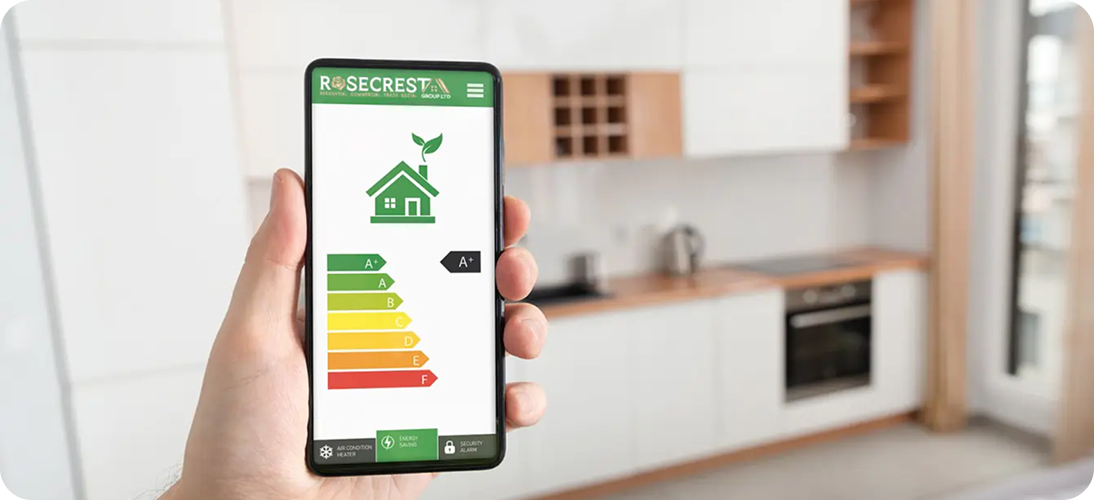
Recognising the importance of upgrading homes for enhanced energy efficiency, our domestic retrofit services are designed to improve your living space and reduce your carbon footprint. From insulation to the installation of modern energy-efficient systems, our professional team will transform your home into a more environmentally friendly and cost-effective space.
Step-by-step process:
A structured approach ensuring clarity, independence and professional standards throughout
Initial Consultation
This includes discussing your vision and requirements and identifying potential areas for energy efficiency improvements.
Home Assessment
Entails a comprehensive inspection of your current home setup and the evaluation of insulation, heating, cooling, and other systems.
Customized Plan Development
This involves creating a retrofit plan tailored to your home needs and recommending energy-efficient solutions that match your budget.
Execution
This involves the implementation of the retrofit solutions, ensuring minimal disruptions with the use of the latest tools and techniques for precision, sustainability and durability
Final Review & Handover Assess
Entails improvements and ensure they meet our quality standards. Provide guidelines on maintaining and maximizing new systems' benefits
Residential EPCs will start from £33
Choose Rosecrest Group Ltd for a holistic approach to building and property solutions, where quality and client satisfaction are our top priorities.
Get started nowFrequently asked questions
Here are answers to the most common questions about Energy Performance Certificates.